


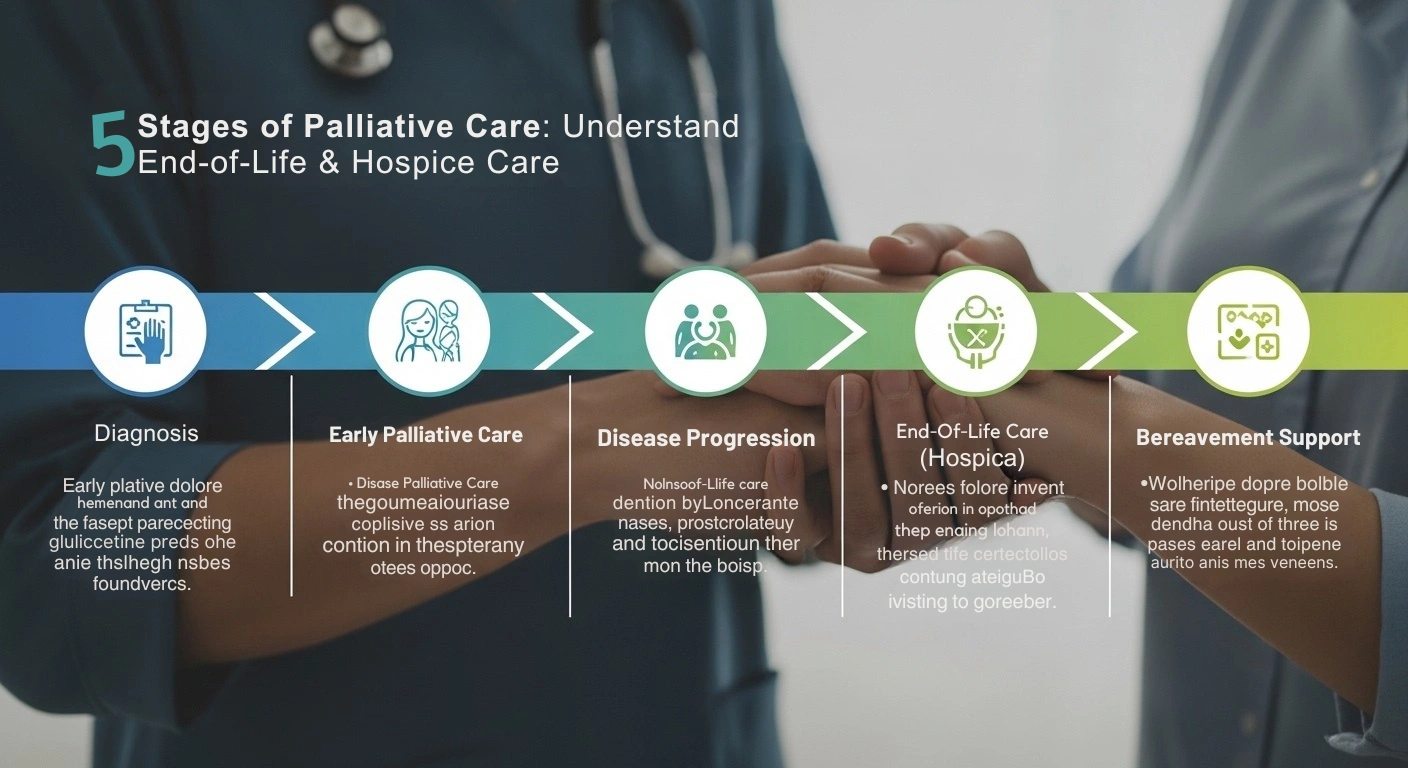
When a serious illness hits your family, the road ahead feels uncertain and scary. Palliative care gives you a compassionate framework that focuses on comfort, dignity, and quality of life not just for patients but for their families too. You can start it at any point after diagnosis, and it works alongside curative treatments for months or even years.
What Is Palliative Care?
Palliative care is specialized medical support that relieves the symptoms, pain, and stress of a serious illness. According to the WHO, it addresses physical, psychological, social, and spiritual needs to improve quality of life for patients and their families.
Many people confuse it with hospice care, but they are not the same thing. Palliative care can begin at diagnosis and run alongside active treatment. Hospice care, on the other hand, begins when life expectancy drops to six months or less and the patient stops curative treatment. Both focus on comfort, but palliative care covers a much broader and longer journey.
Initial Diagnosis and Early Care Planning
The journey starts soon after a serious diagnosis. A care team sits down with you, assesses your condition, and builds a personalized care plan around your values, preferences, and medical needs.
Here is what happens during this stage:
- The team runs a full assessment of your physical, emotional, spiritual, and social needs.
- They create a care plan that covers symptom management, treatment preferences, and where you want to receive care.
- You begin advance care planning setting up advance directives, a living will, healthcare power of attorney, and DNR orders if you choose.
- Your family learns about the illness trajectory and what they should expect going forward.
- The palliative team coordinates with your existing doctors and specialists so everyone stays on the same page.
Research shows that patients who start palliative care early deal with less anxiety, get better symptom control, and enjoy a higher quality of life. Waiting does not help anyone the sooner you begin, the more support you get.
Active Symptom Management and Treatment Support
As the illness moves forward or symptoms grow more complex, palliative care shifts into an active management phase. The goal here is simple: keep your quality of life as high as possible while managing pain, discomfort, and emotional stress.
This stage usually involves:
- Pain management through medication changes and therapeutic interventions.
- Treating symptoms like fatigue, nausea, shortness of breath, insomnia, and appetite loss.
- Emotional and psychological support counseling for depression, anxiety, and fear.
- Spiritual care for patients who want to explore meaning, faith, or deeper existential questions.
- Nutritional guidance and help with mobility.
- Assistive devices such as adjustable beds, grab rails, and mobility aids to keep you independent at home care.
Communication between you, your family, and the care team matters more than ever at this point. The plan changes frequently as your symptoms and needs shift.
Caregiver Support and Family Education
One thing most palliative care guides completely ignore is the toll this journey takes on family caregivers. Almost every article out there focuses entirely on the patient, but here is the truth caregiver health directly affects patient outcomes. When a caregiver burns out, the patient suffers too.
This stage puts the spotlight on:
- Spotting and preventing caregiver burnout, exhaustion, and compassion fatigue before it gets worse.
- Respite care services temporary professional care that gives you a break. Medicare covers up to 5 days.
- Training family members on how to manage medications, handle medical equipment, provide comfort care, and recognize warning signs.
- Financial guidance helping you understand insurance coverage, Medicare and Medicaid benefits, and connecting you with assistance programs.
- Legal planning support setting up Power of Attorney, advance directives, and estate planning.
- Emotional support through counseling and support groups designed specifically for caregivers, not just patients.
- Workplace guidance understanding your FMLA protections and figuring out how to balance caregiving with your daily responsibilities.
When caregivers feel supported, everyone benefits. The patient gets better care, and the family holds together through one of the hardest experiences of their lives.
Transitional Care and Goals-of-Care Re-evaluation
When the illness pushes forward or your loved one’s condition takes a turn, the entire care plan needs a serious update. Doctors sometimes call this the “unstable” or “deteriorating” phase, and it is one of the toughest emotional transitions a family goes through.
During this stage, the care team:
- Reassesses the full care plan and adjusts it to match your declining health.
- Changes medication doses or adds new ones to prioritize comfort over treatment.
- Increases the number of home visits from nurses, doctors, or hospice staff.
- Has deeper, more honest conversations about whether hospice care makes sense now.
- Revisits advance directives to make sure they reflect your latest wishes.
- Helps you decide whether home care still works or if moving to a hospice facility makes more sense.
This stage demands honest, open conversations between the medical team, the patient, and the family. Palliative care specialists walk you through every option and help you feel less overwhelmed during this shift.
End-of-Life Care (Hospice Phase)
When a doctor determines you have roughly six months or less to live, care moves into the hospice phase. At this point, everything centers on comfort, dignity, and peace.
Here is what end-of-life care looks like:
- Aggressive pain control and symptom management for agitation, breathing difficulties, and distress.
- Round-the-clock availability of the care team for medical needs, crises, or emotional support.
- Emotional and spiritual care from chaplains, counselors, and spiritual advisors.
- Honest guidance on what physical changes to expect less appetite, more sleep, skin color changes, irregular breathing, and reduced responsiveness.
- Help with life review and legacy work so patients can share their stories and take care of last wishes.
- Respite care so family caregivers can step away and rest without guilt.
You can receive hospice care at home, in a hospice facility, a hospital, or a nursing home — wherever you feel most comfortable.
Hospice operates at four levels depending on what you need. Routine Home Care handles everyday support. Continuous Home Care kicks in during a crisis when staff may stay bedside for hours. Inpatient Care steps in when symptoms cannot stay under control at home. And Respite Care gives caregivers a temporary break by placing the patient in a facility for up to five days.
Legacy Planning and Emotional Closure
Between end-of-life care and bereavement, there is a deeply meaningful stage that most guides skip entirely. This is the time for legacy, emotional closure, and real connection between the patient and the people they love.
This stage looks like:
- Legacy projects — writing letters to family, recording video messages, putting together memory books, or passing down recipes, life lessons, and family stories.
- Life review therapy — a guided process where patients reflect on what their life meant, what they accomplished, and who they touched. Studies show this cuts anxiety and existential distress significantly.
- Reconciliation conversations — social workers or chaplains help open the door to healing with estranged family members, old friends, or anyone with unfinished emotional business.
- Cultural and religious rituals — supporting the patient and family in carrying out spiritual practices, ceremonies, or traditions that matter to them.
- Preparing children and young family members — age-appropriate support through art therapy, play therapy, and guided conversations led by trained counselors.
- Dignity-centered decisions — helping patients work through tough choices like palliative sedation or organ donation wishes.
Patients who go through legacy and closure work feel more at peace and less afraid of what comes next. And families who take part in this stage often carry less complicated grief afterward because they got the chance to say what needed saying.
Bereavement and Family Support After Loss
Palliative care does not stop when the patient passes away. This final stage supports the people left behind family, friends, and caregivers as they move through grief and start to heal.
Here is what bereavement support typically includes:
- One-on-one grief counseling with a licensed therapist.
- Support groups that connect you with others who have walked a similar path.
- Memorial services and remembrance events that many hospice programs organize each year.
- Educational resources about grief stages, coping strategies, and when you should seek extra help.
- Follow-up check-ins from the care team for up to 13 months after the loss.
- Referrals to community resources local mental health services, faith-based support, and grief organizations.
- Extra support for complicated or prolonged grief that needs more intensive professional attention.
Grief does not follow a schedule. Some people start feeling better in weeks; others take much longer. Having structured professional support available during that first year makes a real difference in how families heal and find their footing again.
Who Provides Palliative Care?
You do not work with just one doctor. Palliative care brings together a whole team your primary care physician, a palliative care specialist, nurses, social workers, chaplains, counselors, occupational therapists, physiotherapists, dietitians, trained volunteers, and professional home caregivers. Each person on that team handles a different part of your care so nothing falls through the cracks.
Conditions That Benefit from Palliative Care
Palliative care goes far beyond cancer. You or your loved one may benefit if you are dealing with:
- Cancer (all types and stages)
- Heart failure and cardiovascular diseases
- COPD (Chronic Obstructive Pulmonary Disease)
- Alzheimer’s disease and other dementias
- Parkinson’s disease
- Kidney failure and end-stage renal disease
- Liver disease and cirrhosis
- ALS (Amyotrophic Lateral Sclerosis)
- Multiple sclerosis
- HIV/AIDS
- Stroke
FAQs
Does palliative care mean you are giving up?
Not at all. Palliative care works right alongside curative treatments. You are not choosing between fighting the illness and staying comfortable you can do both.
Is palliative care only for elderly patients?
No. Anyone with a serious illness can receive it adults, teenagers, and children. Age does not matter.
How long does palliative care last?
It depends entirely on the illness and how it progresses. Some people stay on palliative care for years. Others need it for just a few weeks or months.
Does insurance cover palliative care?
In most cases, yes. Medicare, Medicaid, and most private insurance plans cover palliative care. Hospice care under Medicare covers nearly all costs tied to the terminal diagnosis. Talk to your insurance provider or a hospital social worker for details.
Can you receive palliative care at home?
Absolutely. Many palliative and hospice teams deliver care right in your home so you can stay in a familiar, comfortable environment.
Final Thoughts
Palliative care is not about giving up it is about living as fully and comfortably as you can while facing a serious illness. When you understand all 7 stages, including caregiver support and legacy planning that most people never hear about, you approach this journey with more clarity and less fear. Talk to your doctor about palliative care today, because the earlier you start, the better the experience for you and the people you love.