If you are a caregiver, chances are you’ve whispered “I can’t take a break” more times than you can count. The guilt sits heavy. The fear of leaving your loved one feels overwhelming. And somehow, you keep pushing through day after day.
But here’s the reality your mental health matters too. And ignoring it doesn’t make you a hero. It makes you a ticking time bomb.
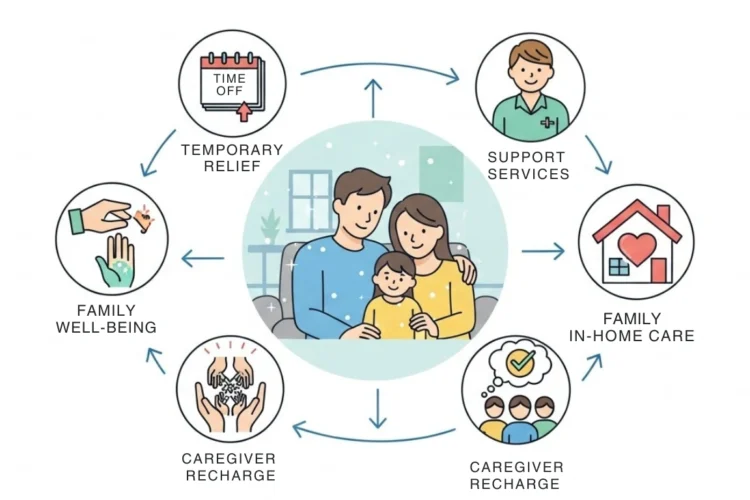
That’s where respite care comes in. It gives you a temporary pause while someone trained and trustworthy steps in. The benefits of respite care for mental and emotional health run deep, and this post will show you exactly how deep they go.
What Exactly Is Respite Care?
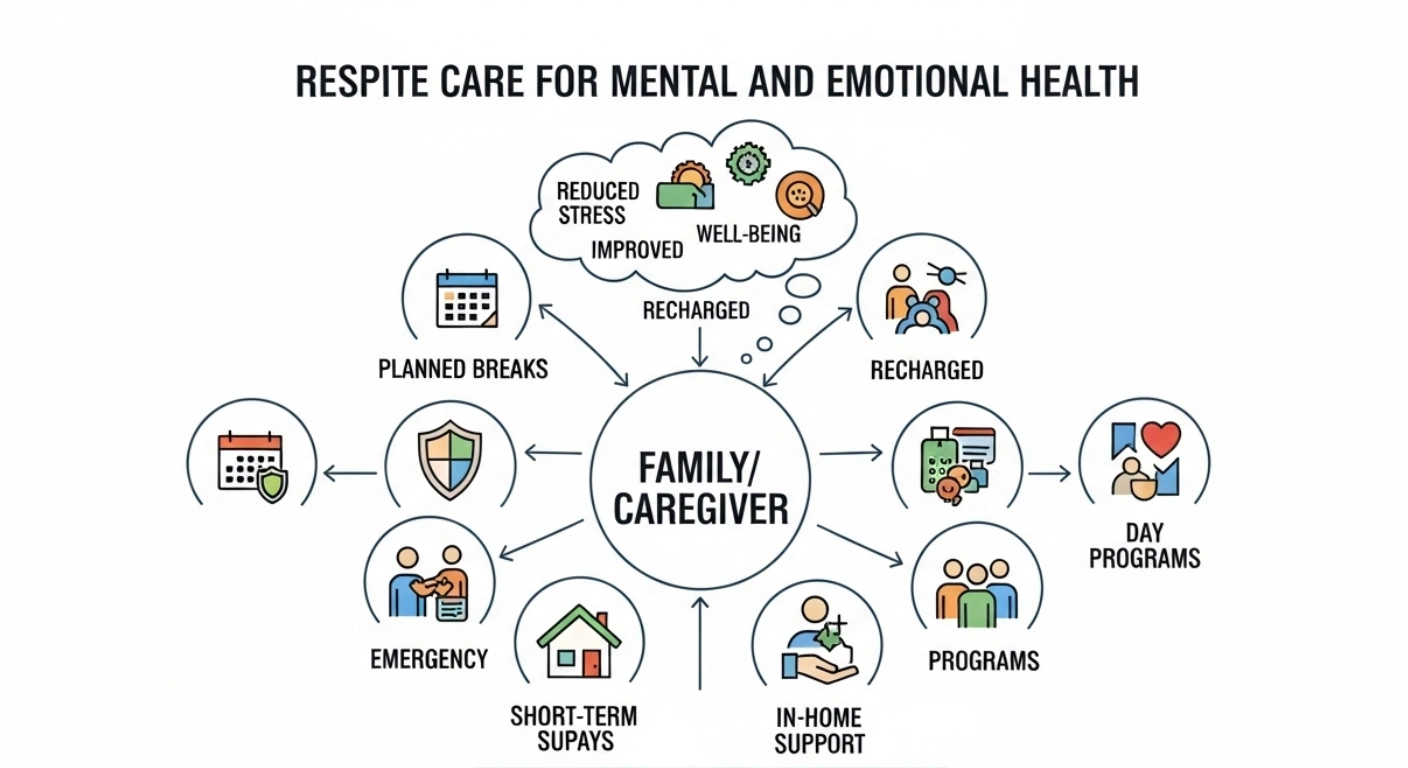
Respite care is a short-term caregiving service. It lets the primary caregiver step away for a breather — whether that’s a few hours, a full weekend, or even a couple of weeks.
It can happen at home, in specialized facilities, or through community-based programs. Some families build it into a weekly routine. Others use it only when they hit a wall.
There’s no wrong way to use it. The point is simple: you get a break, and your loved one stays safe and cared for.
| Benefit Area | Impact on Caregiver | Impact on Care Recipient |
|---|---|---|
| Stress Reduction | Lower cortisol levels, fewer anxiety episodes | Calmer, more patient caregiver upon return |
| Emotional Resilience | Renewed patience, better emotional regulation | More positive daily interactions |
| Prevention of Burnout | Sustained long-term caregiving ability | Consistent quality of care over time |
| Social Reconnection | Reduced isolation, stronger friendships | Exposure to new social interactions |
| Improved Sleep | Better rest patterns, physical recovery | Caregiver is more alert and attentive |
| Relationship Health | Stronger bonds with spouse, children, friends | Less tension and resentment in the home |
| Sense of Identity | Reconnection with personal interests and goals | A happier, more fulfilled caregiver |
Respite Care Reduces Stress in Ways You Can Actually Feel
Caregiving stress isn’t the kind a bubble bath can fix. It’s chronic. It’s physical. And it builds up quietly until your body starts screaming for relief.
The National Alliance for Caregiving reports that over 40% of family caregivers experience high emotional stress. Many show symptoms that look a lot like clinical depression.
When you take a respite break, your nervous system finally gets permission to calm down. Your body stops flooding itself with stress hormones. Your muscles relax. Your headaches ease.
Even a few hours per week can make a noticeable difference in how your body feels. That’s not a luxury that’s basic maintenance.
It Protects You From Caregiver Burnout
Burnout doesn’t arrive with a warning label. It sneaks in slowly.
First, you’re a little more irritable than usual. Then you lose interest in things you used to enjoy. Eventually, you feel numb, disconnected, and sometimes even resentful toward the person you’re caring for.
That doesn’t make you a bad person. It makes you someone who has been running on empty for way too long.
Respite care breaks the burnout cycle before it reaches the point of no return. Here’s what regular breaks help you avoid:
- Chronic emotional exhaustion that leaves you feeling hollow
- Growing resentment toward your caregiving responsibilities
- Physical health problems caused by prolonged stress
- Withdrawal from friends, family, and activities you once loved
- Feelings of helplessness and loss of motivation
Think of respite like charging your phone. You wouldn’t expect it to run forever at 2%. Your emotional battery works the same way.
Your Emotional Resilience Gets a Major Boost
Emotional resilience means bouncing back after hard moments without completely falling apart. Caregivers need it in massive amounts.
The good news? Resilience is renewable. But only if you give it time to recharge.
During respite breaks, something important happens. You finally process the feelings you’ve been stuffing down for weeks or months. You cry if you need to. You laugh without guilt. You breathe without watching the clock.
This emotional processing isn’t optional. Without it, unresolved feelings stack up and eventually spill over in ways that hurt you and everyone around you.
Respite Care Fights the Loneliness Epidemic Among Caregivers
Nobody talks about this enough caregiving is deeply lonely.
Your world shrinks. Friends stop calling because they assume you’re busy. Social events become impossible. Your daily life revolves around routines, medications, and appointments.
This isolation causes real harm. Research consistently links it to higher rates of depression, anxiety, and even heart disease.
Respite care reopens the door to the outside world. With even a few free hours, you can:
- Meet a friend for coffee and real conversation
- Attend a caregiver support group where people actually understand
- Take a walk in the park without watching the clock
- Join a class or hobby group you’ve been missing
- Simply sit somewhere quiet and enjoy being around other people
These moments feel small. But for an isolated caregiver, they’re lifelines.
Your Sleep Quality Improves Dramatically
Many caregivers are on call 24 hours a day. Nighttime wandering, medication reminders, bathroom assistance the list never ends.
Even when there’s technically time to sleep, most caregivers lie awake worrying. What if something happens while I’m asleep? What if I don’t hear them call?
Respite care especially overnight or multi-day stays lets you sleep without one ear open. Real sleep. Deep sleep. The kind where you wake up and actually feel human again.
Better sleep improves everything. Your mood stabilizes. Your thinking sharpens. Your patience returns. Your immune system strengthens.
If you do nothing else during your respite break except sleep well, you’ve already done something incredibly powerful for your health.
It Strengthens Your Relationships Outside of Caregiving
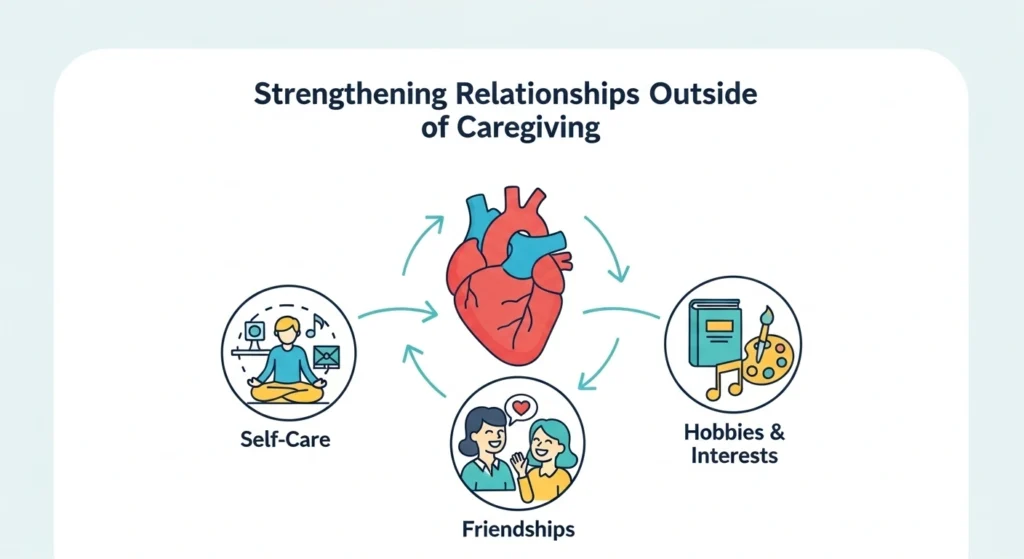
When caregiving takes over your life, every other relationship suffers.
Your spouse feels invisible. Your kids feel like they come second. Your friendships slowly fade. And you feel guilty about all of it, which only piles more weight on your shoulders.
Respite care creates breathing room for those relationships. Here’s what becomes possible again:
- Date nights that don’t get cancelled at the last minute
- Attending your child’s school events fully present
- Long phone calls with old friends about anything except caregiving
- Family dinners where you’re relaxed, not rushing
- Simple moments of connection that keep relationships alive
These relationships are your support system. Letting them starve doesn’t make you a better caregiver. It just makes you a lonelier one.
You Rediscover Who You Are Beyond the Caregiver Role
This one cuts deep, especially for long-term caregivers.
After months or years of putting someone else first, you can genuinely forget who you are outside of that role. What do you enjoy? What are your dreams? What makes you laugh until your stomach hurts?
Respite care gives you space to remember. Maybe you pick up a paintbrush again. Maybe you go for a run. Maybe you just sit somewhere quiet and reconnect with your own thoughts.
People who maintain a sense of personal identity while caregiving report lower rates of depression and higher life satisfaction. Your identity isn’t a side project. It’s the foundation everything else stands on.
The Care Recipient Benefits Too
Here’s something guilt-ridden caregivers need to hear: your loved one benefits when you take breaks.
A rested caregiver is a better caregiver. Period. You bring more patience, more creativity, more warmth, and more genuine presence when you’ve had time to recharge.
Respite care also introduces your loved one to new faces and experiences. For people with dementia or cognitive conditions, varied social interaction can be stimulating and even therapeutic.
The myth that stepping away hurts your loved one is exactly that a myth. The truth is the opposite.
How to Overcome the Guilt of Using Respite Care
Guilt is the biggest wall standing between caregivers and the help they need. Let’s tear it down.
Many caregivers believe that needing a break means they’re failing. Some worry their loved one will feel abandoned. Others fear judgment from family members who don’t do any caregiving themselves but always have opinions.
Here’s how to reframe it. You schedule doctor’s appointments for your loved one to keep them healthy. Respite care is the doctor’s appointment for your mental health. It’s not a weakness. It’s a strategy.
A few things that help with the guilt:
- Remind yourself that burnout helps nobody not you, not your loved one
- Talk openly with family about why breaks are necessary
- Start small with short respite periods to build comfort
- Reframe respite as part of your caregiving plan, not an escape from it
- Ignore the opinions of people who aren’t doing the daily work
If someone judges you for taking care of yourself, remember their opinion won’t be there when you collapse from exhaustion.
Practical Ways to Access Respite Care
Finding respite care is easier than most caregivers think. You just need to know where to look.
Start with your local Area Agency on Aging. They connect families with subsidized respite programs. Many states also offer Medicaid waiver programs that cover respite services.
The ARCH National Respite Locator at archrespite.org is another excellent resource. You simply enter your location and find options near you.
Don’t overlook informal respite either. A trusted neighbor, family member, or friend who steps in for a few hours absolutely counts. It doesn’t need to be fancy or official — it just needs to give you a real break.
Other places to look include:
- Faith communities that organize volunteer caregiving support
- Local nonprofit organizations focused on aging or disability services
- Employer assistance programs that include caregiver support
- Veterans Administration programs for those caring for veterans
- Adult day care centers that offer structured daytime programs
FAQs
How often should caregivers use respite care?
Every situation is different. Some experts suggest at least a few hours per week as a starting point, with longer breaks built in monthly. The most important thing is consistency. Regular breaks do far more for your mental health than one big break every six months.
Is respite care covered by insurance?
It depends. Medicare covers some respite care for hospice patients. Medicaid programs vary by state but often include respite benefits. Private insurance coverage is hit or miss, so always call your provider and ask. Veterans’ caregivers may qualify through the VA as well.
Will my loved one be safe with a respite care provider?
Reputable providers are trained, background-checked, and often licensed. Ask about qualifications. Check references. Start with a short trial run so both you and your loved one can get comfortable. Trust your gut if something feels off, keep looking.
What if my loved one resists respite care?
Resistance is normal, especially at first. Start with short visits. Keep the setting familiar. Frame it positively not “I need to get away” but “I want to make sure I’m at my best for you.” Most care recipients warm up once they adjust to the new routine.
Can respite care help with caregiver depression?
Respite care isn’t a replacement for professional treatment, but it’s a powerful complement to it. By reducing chronic stress, improving sleep, and restoring social connections, it tackles many of the root causes behind caregiver depression. If you’re struggling, combine respite care with therapy and medical support for the strongest results.
Final Thoughts
The benefits of respite care for mental and emotional health are real, proven, and deeply felt by every caregiver brave enough to ask for help. You don’t earn a medal for running yourself into the ground. But you do become a stronger, healthier, and more compassionate caregiver when you give yourself permission to rest. Take the break. You’ve earned it and the people who love you need you around for the long haul.