

“I have to be very careful when I tell him it’s respite night because if I tell him too early in the day, that’s all I hear. He’s like, ‘Go? Go? Go?'”
These words from a real parent say it all. Respite care isn’t just a break for exhausted caregivers children love it too. For families raising a child with special needs, even a simple family outing means someone always has to step away. Respite night changes that. Everyone can finally sit together, breathe, and just enjoy being a family.
What Is Respite Care?
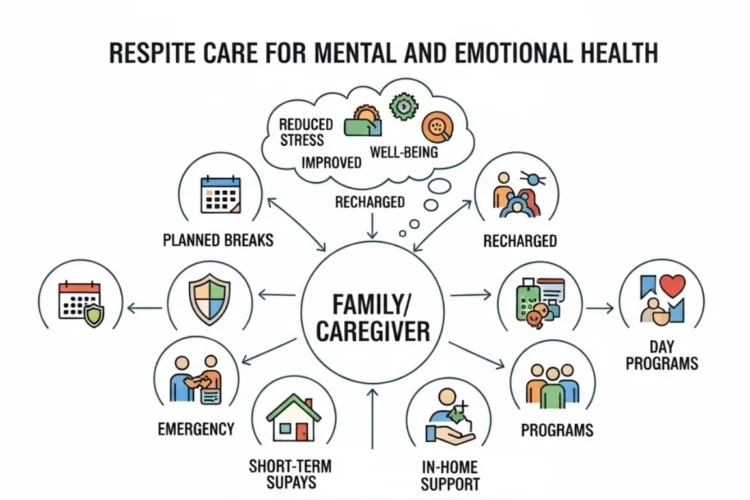
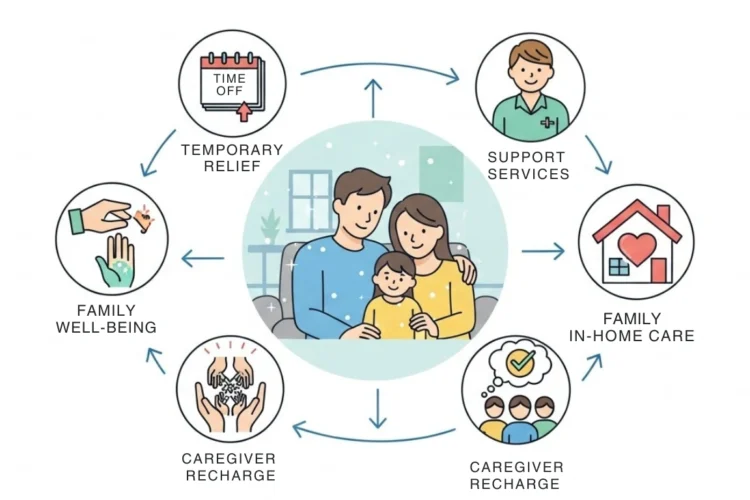
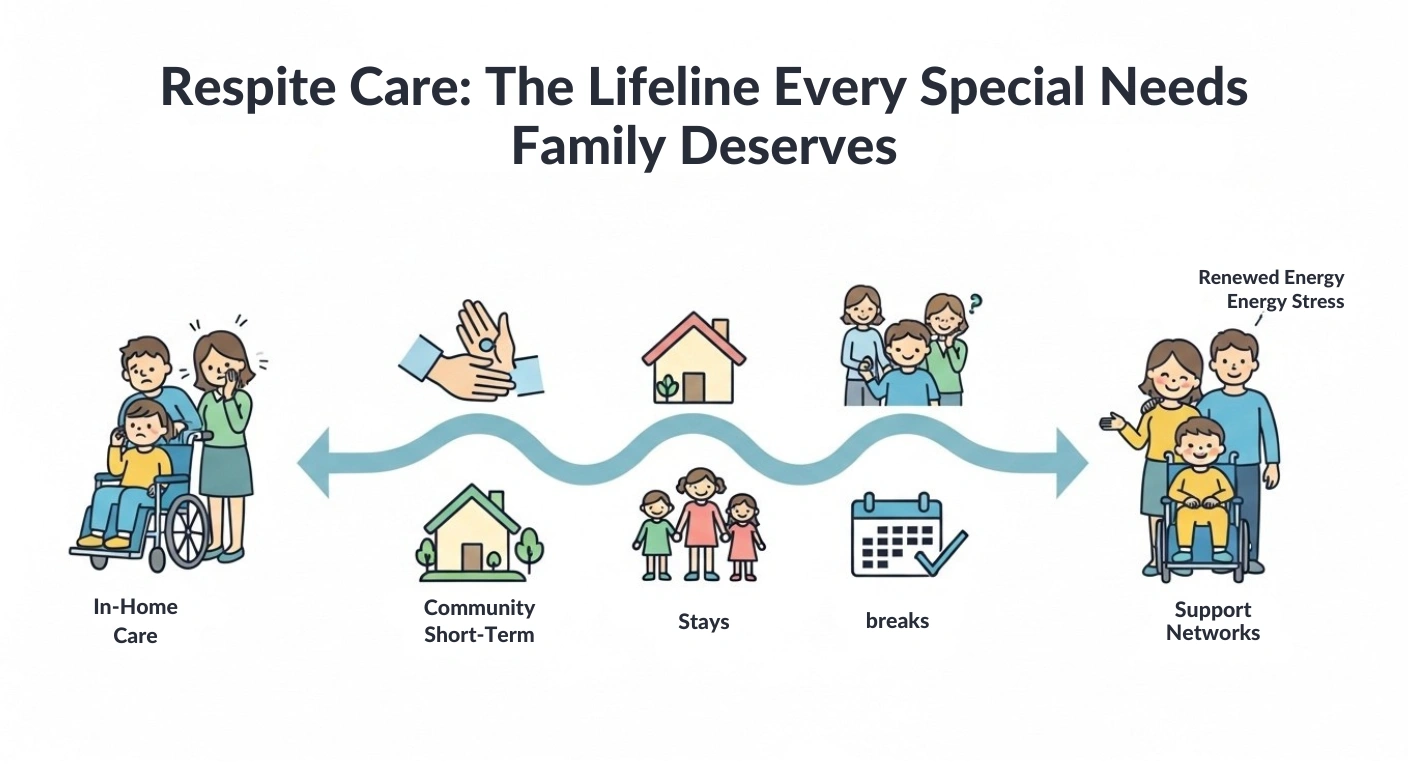
Respite care is temporary, short-term relief for parents and caregivers of children with special needs. It can last a few hours or an entire weekend. During respite, trained caregivers step in so families can rest, run errands, enjoy a date night, or simply recharge.
Unlike regular childcare, respite providers are specifically trained to manage the medical, behavioral, and developmental needs of children with disabilities. Your child gets a fun, safe, and supervised experience while you get the break you’ve earned.
Why Respite Care Matters More Than You Think
Caregiver Burnout Is Real:
Over 60% of caregivers experience burnout symptoms including fatigue, anxiety, and depression. Caring for a child with special needs is a 24/7 job with very little breathing room. Without breaks, stress builds silently and can lead to serious health consequences. Respite care is one of the most effective ways to stop burnout before it takes hold.
Your Relationships Need Oxygen:
When every family outing requires one parent to leave and attend to your child, couples rarely get quality time together. Parents who use respite care consistently report stronger marriages and healthier family dynamics. As one parent shared respite night is the first time they can all go bowling or watch a movie without someone having to step away.
Siblings Benefit Too:
Brothers and sisters of children with special needs often miss out on one-on-one time with their parents. Respite care creates space for families to give every child the attention they deserve. Siblings get to feel seen, valued, and prioritized.
Your Child Actually Enjoys It:
Many parents are surprised to learn their children look forward to respite care. It gives them a chance to socialize, try new activities, and build independence in a safe environment. The child in our opening story couldn’t contain his excitement proof that respite can be genuinely enriching for kids.
It Makes You a Better Caregiver
You cannot pour from an empty cup. When you take time to rest and recharge, you return with more patience, energy, and emotional strength. Taking a break doesn’t mean you love your child less — it means you’re making sure you can keep showing up as your best self.
Types of Respite Care Available
Not all respite care looks the same. Here are the most common options:
- In-Home Respite Care: A trained caregiver comes to your home, ideal for children comfortable in familiar surroundings or with complex medical needs.
- Drop-Off Programs: Community organizations, faith groups, or volunteer agencies offer supervised evening or daytime programs.
- Overnight and Weekend Programs: Extended stays and weekend camps designed specifically for children with disabilities.
- Respitality Programs: Organizations arrange a weekend getaway for parents while caring for your child a true vacation with peace of mind.
- Parent Co-Ops: Groups of special needs parents take turns caring for each other’s children, building community while sharing the load.
- Skilled Respite Care: For children with complex medical conditions, qualified healthcare professionals like nurses deliver specialized care.
How to Find Respite Care Providers You Can Trust
Finding the right caregiver feels overwhelming, but a approach makes it manageable.
- Identify your child’s specific needs. List communication methods, behavioral triggers, medication schedules, dietary requirements, and emergency protocols.
- Explore local resources. Contact your state’s Department of Developmental Services, your local ARC chapter, children’s hospitals, and the ARCH National Respite Network.
- Tap into your child’s existing support network. Teachers, therapists, and school aides already know your child and may be available or can recommend someone.
- Interview thoroughly. Ask about background checks, training, experience with your child’s condition, and emergency procedures. Watch how they interact with your child.
- Start small. Begin with a short session of just a couple of hours. Gradually increase as comfort and trust build on both sides.
How to Pay for Respite Care
Cost is one of the biggest barriers, but several programs can help cover expenses:
- Medicaid Waiver Programs: Most children with disabilities qualify for waivers that cover respite care costs. Check with your state’s Medicaid office.
- State Lifespan Respite Programs: Many states offer vouchers or grants through federally funded programs. The ARCH Network can help you find what’s available.
- Nonprofit and Faith-Based Organizations: Many programs are donor-funded and completely free to families.
- Military Family Benefits: Military childcare benefits may cover respite care services.
- Self-Directed Care: Some states allow Medicaid-eligible families to pay family members or friends to provide respite after proper training.
Recognizing the Signs You Need a Break
Many caregivers push through exhaustion because they feel guilty asking for help. But catching burnout early is critical. Watch for these warning signs:
- Constant worry or feeling overwhelmed most of the time
- Physical exhaustion that doesn’t improve with sleep
- Irritability, anger, or resentment toward people you love
- Withdrawal from friends, hobbies, and social life
- Neglecting your own health care and medical appointments
- Sleep disturbances insomnia or sleeping too much
- Feeling isolated, like no one understands your situation
If you see yourself in this list, respite care isn’t a luxury. It’s a necessity. Asking for help is not weakness it’s strength.
How to Prepare Your Child for Respite Care
Transitioning into respite care is a big step. These strategies make it smoother for everyone:
- Create a care plan. Write out your child’s daily routine, preferences, medical needs, behavioral strategies, and emergency contacts. Leave nothing to guesswork.
- Visit together first. Do a trial visit so your child can familiarize themselves with the environment and caregivers before the real session.
- Use visual schedules. For children who benefit from visual cues, create a simple picture schedule showing arrival, activities, snack time, and pickup.
- Pack comfort items. A favorite toy, blanket, or sensory item from home helps your child feel safe and connected.
- Keep goodbyes short and positive. Prolonged, emotional farewells increase anxiety. A quick, cheerful goodbye sets the right tone.
How to Make the Most of Your Respite Time
Respite is meant to restore you not just catch up on chores. Use it intentionally:
- Reconnect with your partner. Go on a real date. Talk about something other than therapy schedules and medical appointments.
- Spend time with your other children. Give siblings the undivided attention they rarely get. Let them choose the activity.
- Do something just for you. Read, walk, sit in silence, take a bath whatever fills your cup.
- Attend to your health. Schedule the appointment you’ve been postponing. See your therapist. Get a physical.
- Rest without guilt. If all you do is sleep, that’s enough. Your body is telling you something important.
Want to Make a Difference? Volunteer for Respite Care
Respite programs across the country are desperate for volunteers. Many families sit on long waitlists simply because there aren’t enough trained caregivers. By volunteering, you can provide an evening of safety, fun, and relief to a family that may have no other support.
Most programs provide thorough training, background checks, and ongoing supervision so you don’t need prior experience. If you’re a college student studying special education, nursing, or social work, this is also an invaluable way to gain real-world experience.
How to get started:
- Contact your local ARC chapter or ARCH National Respite Network
- Reach out to children’s hospitals and disability organizations nearby
- Check with faith-based organizations running respite programs
- Ask local universities about volunteer placement opportunities
Final Thoughts
The work you do as a caregiver every single day is extraordinary and extraordinary effort deserves extraordinary support. Respite care is not about stepping away from your child. It’s about making sure you have the energy, health, and joy to keep stepping up. As one parent said so perfectly: “It’s just such a huge relief.” Your family deserves that relief, and so do you.